

![~[ وسام مشارِك متميز ]~](http://www.msoms-anime.net/modsimages/S-boy.gif "~[ وسام مشارِك متميز ]~")

اقدم لكم موضوع خاص وبالنسخة الثانية من نشرة الاخبار التكلنولجية
1- عدم عرض التوقيع
2- عدم كتابة اي نشرة خارج هذا الموضوع سواً اكانت نشرة فريدة او غير ذالك لان العمل الجماعي يجعل مشركاتك تنجح بكل سهولة .
حصريا على منتدىMSOMS النسخة الثانية من نشرة الاخبار التكلنولجية تم تعديل القوانين
[ منتدى البرامج والهواتف الذكية ]
النتائج 1 إلى 20 من 29
-
19-11-2009 12:29 PM #1


- تاريخ التسجيل
- Jul 2009
- المـشـــاركــات
- 2,297
- الــــدولــــــــة
- اليابان
- الــجـــــنــــــس
- ذكر
الـتـــقـــــيـيــم:


-
19-11-2009 01:02 PM #2
- تاريخ التسجيل
- Jul 2009
- المـشـــاركــات
- 2,297
- الــــدولــــــــة
- اليابان
- الــجـــــنــــــس
- ذكر
الـتـــقـــــيـيــم:

 رد: حصريا على منتدىMSOMS النسخة الثانية من نشرة الاخبار التكلنولجية تم تعديل القونين
قامت قوقل بطرح خدمة جديدة Google Image Swirl في المختبر الخاص بها لتجربة العمل على تطوير خدمة معينة، وقد طرحت خدمة خاصة بالبحث في الصور كالموجودة في بحث قوقل ولكن متطورة أكثر وذلك بوجود طريقة أو آلية عرض مقسمة بشكل رائع وخطير، فمثلاً يتم جمع كل الصور بأنواعها وتقسيم كل نوع تحت بعض، فعند البحث عن “Apple”.. أحياناً في محرك البحث العادي من صور قوقل يتم عرض شعار شركة آبل في حين بعض الأشخاص يريدون أن يعرضوا صورة تفاحة حقيقية، لذلك ظهرت هذه الخدمة والتي تتميز بطريقة عرض رائعة وجميلة.
رد: حصريا على منتدىMSOMS النسخة الثانية من نشرة الاخبار التكلنولجية تم تعديل القونين
قامت قوقل بطرح خدمة جديدة Google Image Swirl في المختبر الخاص بها لتجربة العمل على تطوير خدمة معينة، وقد طرحت خدمة خاصة بالبحث في الصور كالموجودة في بحث قوقل ولكن متطورة أكثر وذلك بوجود طريقة أو آلية عرض مقسمة بشكل رائع وخطير، فمثلاً يتم جمع كل الصور بأنواعها وتقسيم كل نوع تحت بعض، فعند البحث عن “Apple”.. أحياناً في محرك البحث العادي من صور قوقل يتم عرض شعار شركة آبل في حين بعض الأشخاص يريدون أن يعرضوا صورة تفاحة حقيقية، لذلك ظهرت هذه الخدمة والتي تتميز بطريقة عرض رائعة وجميلة.
وعند الضغط على إحدى مجموعات الصور السابقة تظهر بالطريقة التالية: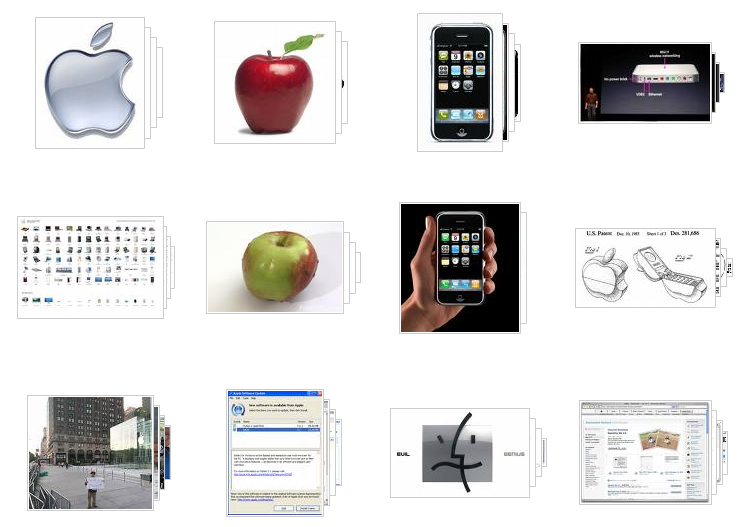
خدمة جميلة تستحق التجربة.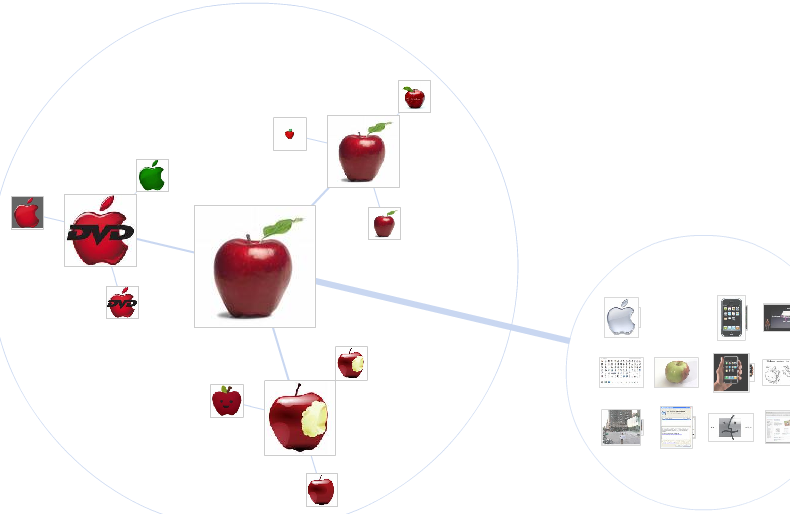
المصدر
-
19-11-2009 01:04 PM #3
- تاريخ التسجيل
- Jul 2009
- المـشـــاركــات
- 2,297
- الــــدولــــــــة
- اليابان
- الــجـــــنــــــس
- ذكر
الـتـــقـــــيـيــم:
رد: حصريا على منتدىMSOMS النسخة الثانية من نشرة الاخبار التكلنولجية تم تعديل القونين
قامت قوقل بتحديث وإضافة مميزات جديدة في خدمة الترجمة، الخدمة التي توفر ترجمة 51 لغة، والمميزات الجديدة في الخدمة هي:
- الترجمة التلقائية: في السابق عند الترجمة من كلمة إلى أخرى نحتاج لضغط على زر الترجمة، الآن يتم ترجمة الكلمة مباشرة عند طباعتها.
- كتابة وقراءة أي لغة: في بعض الأحيان نقوم بترجمة كلمات من لغتنا إلى لغة أجنبية لكن لا يمكن قرأتها بسبب عدم معرفتنا لكيفية نطق الحروف الاجنبية، لذلك أتاحت قوقل خاصية تحويل حروف اللغة الاجنبية إلى حروف انجليزية لتسهيل نطقها، فمثلا عند ترجمة كلمة “كيف الحال” من اللغة العربية إلى الصينية، تظهر الترجمة الصينية وتحتها الكلمة الصينية بالأحرف اللاتينية، يذكر أن هذه الميزة متاحة في جميع اللغات ما عدا العربية والفارسية والعبرية .
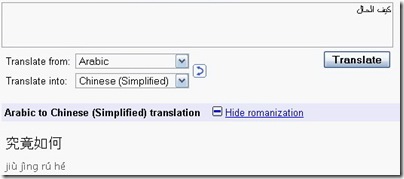
ولكن أتاحت قوقل للغة العربية والعبرية والهندية إمكانية تحويل النص المكتوب باللغة الانجليزية إلى إحدى اللغات المذكورة، فمثلا لو كتبنا “kif alhal” وضغطنا مسافة فسوف يتم تحويل الكلمة إلى “كيف الحال”.- وأخيرا أضافت قوقل إمكانية سماع الكلمات الانجليزية التي قمنا بترجمتها، ويمكن ذلك بالضغط على زر السماعة الموجود أمام الكلمة الانجليزية.
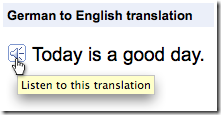
تحديثات مهمة ورائعة للخدمة وسوف تساهم في تقليل الحواجز اللغوية وتسهيل تصفح الانترنت لكثير من المستخدمين، شكرا لصديق الموقع أبو عمر لإرساله الخبر.
المصدر
-
19-11-2009 01:08 PM #4
- تاريخ التسجيل
- Jul 2009
- المـشـــاركــات
- 2,297
- الــــدولــــــــة
- اليابان
- الــجـــــنــــــس
- ذكر
الـتـــقـــــيـيــم:
رد: حصريا على منتدىMSOMS النسخة الثانية من نشرة الاخبار التكلنولجية تم تعديل القونين
[QUOTE]قد تحدثنا سابقاً عن مميزات هذه النسخة الجديدة والآن شركة أدوبي تعلن صدورها نسخة Adobe Air 2 Public Beta، يمكنك تحميلها. Adobe Air هو مشغل تطبيقات مبرمجة بلغات برمجة الويب وتقنياتها خصوصاً تقنيات أدوبي، النسخة تعمل على أنظمة ويندوز وماك ولينكس معاً، الخبر السار ليس للمستخدمين فقط كذلك للمبرمجين في صدور حزمة التطوير الخاصة بها Adobe Air 2 SDK، وكذلك وجود إضافات يمكنك تركيبها على Dreamweaver النسختين CS 3 و CS 4، وعلى برنامج Fireworks والتي تساعدك على إنشاء تطبيقات Adobe Air الشهيرة والمتمكنة، وبالمناسبة فهذه النسخة هي نسخة Beta أي أنها تجريبية لم يتم اعتمادها بعد لتكون نسخة ثابتة.
المصدر,
Adobe تصدر Adobe Air 2 نسخة Public Beta
أعلنت سوني من خلال مدونتها الرسمية أن جهاز البلاي ستيشن 3 سوف يحصل على تحديث جديد لتحسين نظام الجهاز، ولعل أهم مميزات التحديث الجديد الذي يحمل الرقم 3.10 إضافة خاصية إرسال التحديثات إلى حسابك في موقع الشبكة الاجتماعية الفيس بوك. ويمكن إرسال تحديثات للفيس بوك عند الحصول على الجوائز في الألعاب أو أي نشاط يقوم به ملاك الجهاز في سوق البلاي ستيشن 3، يذكر أن هذه الخاصية سوف تتيح أيضا في جهاز الاكس بوكس 360 بالإضافة لخدمة تويتر وخدمة last.fm وهي شبكة اجتماعية متخصصة في الأغاني.
وجود الشبكات الاجتماعية في أجهزة الألعاب المنزلية دليل على سيطرة هذه المواقع على الإنترنت في وقتنا الحاضر وأصبحت الشركات تسارع لتوفيرها لمستخدميها في جميع الأجهزة.
فيديو للفيس بوك في البلاي ستيشن 3
فيديو للفيس بوك على الاكس بوكس 360
المصدر
المصدر
-
21-11-2009 11:22 AM #5
- تاريخ التسجيل
- Jul 2009
- المـشـــاركــات
- 2,297
- الــــدولــــــــة
- اليابان
- الــجـــــنــــــس
- ذكر
الـتـــقـــــيـيــم:
رد: حصريا على منتدىMSOMS النسخة الثانية من نشرة الاخبار التكلنولجية تم تعديل القونين
Sinofsky ويندوز الخطة : لمزيد من البيانات ، وأقل من هرمون تستوستيرون
LOS ANGELES--While some have criticized Steven Sinofsky for being tight-lipped, the Windows boss insists that he is being prudent, not secretive.
"Everybody wants to know what's coming and what's next." But, he said, talking too soon, too early is actually a bad thing that just leads to frustration.
"You reacting to some nightly developer build isn't really productive to anybody," Sinofsky said in an interview at this week's Professional Developers Conference.
Sinofsky says that people don't want to show up to a restaurant and watch a potato being peeled and taste it half-cooked. For the same reason, he prefers to not talk about things until they are well, fully baked.
"It's hard to imagine what else you want to see while it's in progress," Sinofsky said. "I don't want to see the daily cuts of a movie. I want to see what the director thought at the end."
As a result, Microsoft didn't show Windows 7 until last year's Professional Developers Conference, just a year before the product was released. That's in sharp contrast to the prior version of Windows, which was first shown as Longhorn back in 2003. It ultimately suffered through numerous delays and significant changes before being released as Vista.
 Windows boss Steven Sinofsky said his Windows philosophy boils down to a single word--responsibility. "There's not another project in software to work on that a billion people use and we take that really, really seriously."
(Credit: Ina Fried/CNET)
From early indications, Sinofsky would appear to be on to something. While Vista was largely panned by critics and shunned by businesses, Windows 7 has thus far had strong early sales and gotten high marks from reviewers.
It's some of the same philosophy Sinofsky took in his earlier days, when he led development of Microsoft's Office franchise.
"Normal people have stuff to do," he said.
That's also why he doesn't really look for public feedback until the software is largely done.
"We don't want feedback on a screenshot," he said.
Sinofsky shifted from Office to Windows in March 2006 and earlier this year added responsibility for the business side of Windows as well, becoming the unit's president.
He said his philosophy toward Windows really boils down to a single word--responsibility. "There's not another project in software to work on that a billion people use and we take that really, really seriously in the hallways of our dev team," he said.
Sinofsky also isn't one to be swayed by emotional arguments for or against a feature. If you want his attention--show him the numbers. He said he wants feedback, but he wants that feedback to "be based on data and not assertions or opinions or anecdotes."
During his PDC talk on Wednesday, he referred to the other approach as "testosterone-based engineering."
"It turns out we did a lot of things by that method," Sinofsky said. Often times, decisions on which features to include in the next version of a product were made that way. People, Sinofsky said, would basically just ask their friends.
"Let me get this straight," Sinofsky said. "You are going to ask your 10 friends who all go to Fry's and build their own gaming machines and that's going to be the way we decide which features go in the product?"
That, he said, "seems a little homogeneous. It seems a little limited in its reliability."
But these days, Microsoft has a better option, gathering lots and lots of data from real-world use. Quite often, he said, the data will show things that might not be intuitive to Redmond's engineers.
As an example, he showed a graph at the conference that showed the huge variety of graphics resolutions that Windows users were operating at, including a significant number with VGA-resolution displays. Folks in Redmond initially assumed they didn't really need to worry about such low-resolution screens.
True to form, Sinofsky was emphatically silent when my questions drifted toward the future. I asked whether we might see a beta of Internet Explorer 9 at Mix and he literally just sat there silent until I asked the next question.
Later on in the interview, the mere mention of Windows 8 got the same stone-faced glare.
"I won't ask you what's in Windows 8, but can you talk at all (about it)? You mentioned that you are a few weeks into designing IE 9," I said. "Are you a similar amount into Windows 8?"
Silence. More silence.
"I didn't say any of the words--Windows 8--those were all your words," he said. "Next."
Sinofsky did have some interesting things to say when I asked for his take on competitors like Google and Apple.
"You have to take it very seriously," he said of the competitors. "That's always, always true in the software world. In the software world it doesn't take a lot to have a dramatic shift in how people perceive you or how they act. It's just very important no matter what your perceived or real or measured share is at one moment, it doesn't take a lot to change it down the road."
الترجمة
لوس انجليس -- ومع أن البعض قد انتقد ستيفن Sinofsky لبتكتمه الشديد ، ورئيسه ويندوز يصر على أنه يجري من الحكمة ، وليس سريا.
واضاف "الجميع يريد أن يعرف ما يأتي وما هو القادم." ولكن ، وقال : من السابق لأوانه الحديث ، من المبكر جدا هو في الواقع شيئا سيئا فقط أن يؤدي إلى الإحباط.
"يجب الرد على بعض المطور ليلا بناء ليست حقا لأحد المنتجة ،" Sinofsky قال في مقابلة في عدد هذا الاسبوع من الفئة الفنية مؤتمر مطوري.
Sinofsky يقول ان الناس لا تريد أن تظهر إلى مطعم ومشاهدة يجري البطاطا المقشرة والذوق نصف مطبوخ. لنفس السبب ، فإنه يفضل أن لا نتحدث عن شيء حتى أنهم كذلك ، تماما من المخبوزات.
"من الصعب أن نتخيل ماذا كنت تريد أن ترى في حين انها في التقدم" ، وقال Sinofsky. واضاف "لا نريد أن نرى تخفيضات اليومية للفيلم. أريد أن أرى ما المخرج الفكر في نهاية المطاف."
نتيجة لذلك ، لم تظهر مايكروسوفت ويندوز 7 وحتى العام الماضي مؤتمر مطوري الفنية ، قبل عام واحد فقط تم إصداره المنتج. وهذا في تناقض حاد مع النسخة السابقة من ويندوز ، والذي كان أول قرون طويلة كما هو مبين في عام 2003. في نهاية المطاف أنه عانى من خلال العديد من التأخير والتغيرات الهامة قبل أن يطلق سراحه كما فيستا.
نوافذ رئيسه ستيفن Sinofsky قال ان ويندوز الفلسفة تتلخص في كلمة واحدة -- المسؤولية. "ليس هناك مشروع آخر في مجال البرمجيات للعمل على أن بليون شخص استخدام ونحن نأخذ ذلك حقا على محمل الجد."
(الائتمان : إينا فرايد / سي نت)
من المؤشرات المبكرة ، من شأنه أن Sinofsky على ما يبدو على شيء. بينما فيستا إلى حد كبير لانتقادات من قبل النقاد ومنبوذة من قبل الشركات ، ويندوز 7 حتى الآن كانت مبيعات قوية في وقت مبكر ، وحصلت على درجات عالية من المراجعين.
انها بعض من الفلسفة ذاتها Sinofsky استغرق في أيامه في وقت سابق ، عندما قاد تطوير حزمة مايكروسوفت أوفيس الانتخاب.
"شخص عادي قد الاشياء القيام به ،" قال.
هذا هو أيضا السبب في انه لا يملك في الواقع نبحث عن ردود فعل الرأي العام إلى أن هذا البرنامج هو القيام به إلى حد كبير.
واضاف "اننا لا نريد ردود الفعل على لقطة ،" قال.
Sinofsky انتقلت من مكتب الى ويندوز في آذار / مارس 2006 في وقت سابق من هذا العام وأضاف المسؤولية عن الجانب التجاري من ويندوز وكذلك ، ليصبح رئيس الوحدة.
وقال فلسفته تجاه يندوز حقا يتلخص في كلمة واحدة -- المسؤولية. "ليس هناك مشروع آخر في مجال البرمجيات للعمل على أن بليون شخص استخدام ونحن نأخذ ذلك حقا على محمل الجد في الأروقة لدينا فريق ديف" ، قال.
Sinofsky أيضا ليست واحدة أن تجرفنا الحجج العاطفية لصالح أو ضد الميزة. إذا كنت تريد انتباهه -- تبين له الأرقام. وقال انه يريد ردود الفعل ، ولكنه يريد أن ردود الفعل على أساس "أن البيانات وليس على تأكيدات أو آراء أو الحكايات".
خلال زيارته المسيحي الحديث يوم الأربعاء ، أشار إلى نهج آخر باسم "التستوستيرون المستندة إلى الهندسة."
"اتضح فعلنا الكثير من الأمور بتلك الطريقة" ، وقال Sinofsky. في كثير من الأحيان ، كانت القرارات تتخذ على السمات التي لتشمل في الإصدار التالي من المنتج بهذه الطريقة. الناس ، وقال Sinofsky ، سيكون أساسا للتو أن يطلبوا من أصدقائهم.
"واسمحوا لي أن الحصول على هذا المستقيم" ، وقال Sinofsky. "انت ذاهب الى 10 اطلب من جميع الاصدقاء الذين انتقل إلى جمهورية يوغوسلافيا الاتحادية ، وبناء وآلات القمار الخاصة بها والتي ستكون الطريقة التي نقرر الذهاب في ميزات المنتج؟"
هذا ، وقال : "يبدو متجانسا قليلا ، ويبدو قليلا محدودة في موثوقيتها".
ولكن في هذه الأيام ، مايكروسوفت لديها خيار أفضل ، وجمع الكثير والكثير من البيانات من استخدام العالم الحقيقي. في كثير من الأحيان ، وقال : سوف تظهر البيانات الأشياء التي قد لا تكون بديهية لريدموند للمهندسين.
كمثال على ذلك ، وقال انه اظهر رسم بياني في المؤتمر أن أظهرت مجموعة متنوعة ضخمة من الرسومات قرارات لمستخدمي ويندوز تعمل حاليا ، بما في ذلك عدد كبير مع تجهيز مرئي يعرض القرار. الناس في ريدموند في البداية يفترض أنهم في الواقع لم تكن تقلق بشأن الحاجة إلى مثل هذه الشاشات المنخفضة القرار.
صحيح أن النموذج ، Sinofsky كان قاطع الصمت عندما أسئلتي جنحت نحو المستقبل. سألت ما إذا كنا قد نرى بيتا من إنترنت إكسبلورر في 9 ميكس وقال حرفيا فقط جلس هناك صامتا حتى سألته السؤال التالي.
في وقت لاحق في المقابلة ، أن مجرد الإشارة إلى ويندوز حصلت على 8 من نفس الحجر ، واجهت وهج.
واضاف "لن نطلب منك ما في ويندوز 8 ، ولكن يمكنك أن تتحدث في كل (عن ذلك)؟ لقد ذكرت أنك بضعة أسابيع في تصميم آي إي 9 ،" قلت. "هل أنت مبلغ مماثل في ويندوز 8؟"
الصمت. مزيد من الصمت.
"أنا لا أقول أي من الكلمات -- ويندوز 8 -- كل تلك كانت كلماتك ،" قال. "التالي".
Sinofsky كان لديها بعض الأمور مثيرة للاهتمام أن أقول أنني عندما طلب منه ان يأخذ على منافسين مثل غوغل وأبل.
"عليك ان تأخذ على محمل الجد" ، وقال عن المنافسين. واضاف "هذا هو الحال دائما ، دائما صحيحا في عالم البرمجيات. البرمجيات في العالم أنها لا تأخذ الكثير ليكون تحولا مثيرا في كيف يدرك الناس لك ، أو كيف يتصرفون. انها مجرد مهمة جدا مهما لديك المتصورة أو الحقيقية أو قياسها حصة هو في لحظة واحدة ، لأنها لا تأخذ الكثير لتغييره على الطريق. "
.المصدر1التعديل الأخير تم بواسطة الحوت1 ; 21-11-2009 الساعة 02:52 PM
-
21-11-2009 11:56 AM #6
- تاريخ التسجيل
- Jul 2009
- المـشـــاركــات
- 2,297
- الــــدولــــــــة
- اليابان
- الــجـــــنــــــس
- ذكر
الـتـــقـــــيـيــم:
رد: حصريا على منتدىMSOMS النسخة الثانية من نشرة الاخبار التكلنولجية تم تعديل القونين
Brin: Google's OSes likely to converge
MOUNTAIN VIEW, Calif.--Google's dual-pronged operating-system strategy will likely produce a single OS down
the road, according to Google co-founder Sergey Brin.
Many Google observers were puzzled when the company announced plans for Chrome OS in July, coming amid growing acceptance of the company's Android operating-system project as a smartphone and Netbook OS. After all, why design an open-source operating system with the goal of reinventing the personal computing experience when you're currently developing another open-source operating system with the goal of reinventing the mobile computing experience?
Google executives, including CEO Eric Schmidt, have downplayed the conflict ever since, asking for time to let the projects evolve. And a few days after Chrome OS was revealed, Android chief Andy Rubin said device makers "need different technology for different products," explaining that Android has a lot of unique code that makes it suitable for use in a phone and Chrome has unique benefits of its own.
But Brin, speaking informally to reporters after the company's Chrome OS presentation on Thursday, said "Android and Chrome will likely converge over time," citing among other things the common Linux and Webkit code base present in both projects.
It's not clear when Google thinks it might want to merge the projects, but it seems to be eyeing a future in which the smartphones currently served by Android meld into the Netbooks Google has in mind for Chrome OS. Of course, Brin's vision might not necessarily be shared by all members of the Google management team.
"As Sundar [Pichai, Google's vice president of product management] said in his presentation, we're reaching a perfect storm of converging trends where s are behaving more like mobile devices, and phones are behaving more like small s," Google said in a statement in response to questions about how and when the two projects would merge. "Having two open source operating systems from Google provides both users and device manufacturers with more choice and helps contribute a wealth of new code to the open source community."
Any future combination of Chrome OS and Android could be aimed at a new type of device distinct from Android's smartphones or Chrome OS's Netbooks.
(Credit: Screenshot by Josh Lowensohn/CNET)
This also allows Google to pick and choose the best ideas to emerge from each project, setting up a bit of friendly internal competition to develop new operating-system technologies. The main difference is that while Android is a shipping product, Chrome OS is still very much in the research stage, with devices not expected until late 2010.
It's way too early to know how that pending convergence will affect development for the different operating systems, as it seems pretty clear Google is spending most of its time at the moment building out each one separately.
But Brin--no idle bystander--believes at some point, Google will emerge with one next-generation operating system.
الترجمة
برين : جوجل انظمة التشغيل يحتمل أن تتلاقى
ماونتن فيو ، كاليفورنيا -- مجموعات 'ق مزدوج نظام التشغيل محاور استراتيجية من المرجح أن تنتج نظام تشغيل واحد على الطريق ، وفقا لمؤسس غوغل سيرجي برين.
جوجل العديد من المراقبين في حيرة عندما أعلنت الشركة عن خطط لنظام التشغيل كروم في تموز / يوليو المقبل وسط تزايد قبول الشركة العاملة الروبوت مشروع النظام باعتباره النت بوك الذكي ونظام التشغيل. بعد كل شيء ، لماذا تصميم مفتوح المصدر لنظام التشغيل مع الهدف المتمثل في إعادة اختراع تجربة الحوسبة الشخصية عندما كنت حاليا بتطوير آخر نظام التشغيل المفتوح المصدر وذلك بهدف إعادة اختراع تجربة الحوسبة المتنقلة؟
جوجل التنفيذيين ، بما في ذلك الرئيس التنفيذي إريك شميدت ، قد قلل من أهمية في الصراع منذ ذلك الحين ، يطلب مزيدا من الوقت للسماح للمشاريع التطور. وبعد بضعة أيام من كروم تم الكشف عن نظام التشغيل ، وقال قائد الروبوت اندي روبن صانعي الجهاز "الحاجة التكنولوجيا المختلفة لمنتجات مختلفة" ، موضحا ان الروبوت لديه الكثير من الرمز الفريد الذي يجعلها مناسبة للاستخدام في الهاتف والكروم والمزايا الفريدة لل من تلقاء نفسها.
ولكن برين ، بشكل غير رسمي يتحدث للصحفيين عقب الشركة نظام التشغيل كروم عرض يوم الخميس ، قال "الروبوت وكروم من المرجح أن تلتقي مع مرور الوقت" ، مشيرا من بين أمور أخرى لينكس المشتركة وبكت رمز قاعدة موجودة في كلا المشروعين.
انها ليست واضحة عندما مجموعات يعتقد انها قد ترغب في دمج هذه المشاريع ، ولكن يبدو أن تتطلع الى المستقبل الذي الذكية التي تخدمها حاليا الروبوت إخلط في مجموعات دفاتر الملاحظات في الاعتبار وكروم لنظام التشغيل. بطبيعة الحال ، قد برين رؤية ليس بالضرورة أن تكون مشتركة من قبل جميع الدول الأعضاء في مجموعات فريق الإدارة.
"وكما ساندر [Pichai ، مجموعات لمنصب نائب الرئيس لإدارة المنتجات] وقال في عرضه ، أننا سنصل الى عاصفة كاملة من أجهزة الكمبيوتر حيث تتلاقى الاتجاهات يتصرفون مثل أكثر الأجهزة المحمولة ، والهواتف يتصرفون المزيد من مثل أجهزة الكمبيوتر الصغيرة ، وقال" في جوجل بيان ردا على اسئلة حول كيف ومتى سيكون دمج المشروعين. "وقد اثنين من أنظمة التشغيل مفتوحة المصدر من جوجل توفر كلا من المستخدمين والشركات المصنعة للأجهزة مع أكثر من خيار ويساعد على المساهمة ثروة من مدونة جديدة للمجتمع المصدر المفتوح."
ويمكن الجمع بين أي مستقبل نظام التشغيل وكروم الروبوت أن تهدف إلى نوع جديد من أجهزة الروبوت ومتميزة من الهواتف الذكية أو كروم نظام التشغيل لدفاتر الملاحظات.
(الائتمان : لقطة من جوش Lowensohn / سي نت)
هذا يسمح أيضا مجموعات لانتقاء واختيار أفضل الأفكار من أجل الخروج من كل مشروع ، ووضع قليلا من المنافسة الداخلية ودية لتطوير تكنولوجيات نظام التشغيل الجديد. والفرق الرئيسي هو أنه في حين أن الروبوت هو نتاج الشحن ، وكروم السراج ما يزال في مرحلة البحث ، مع أجهزة ليس من المتوقع حتى أواخر عام 2010.
انها وسيلة من المبكر جدا أن نعرف كيف أن التقارب في انتظار ستؤثر على التنمية لأنظمة تشغيل مختلفة ، كما بدا واضحا جدا مجموعات تنفق معظم وقته في المبنى لحظة واحدة من أصل كل على حدة.
ولكن برين -- أي المارة خمول -- يعتقد عند نقطة ما ، سوف تنشأ مجموعات واحدة مع الجيل المقبل من نظام التشغيل.التعديل الأخير تم بواسطة الحوت1 ; 21-11-2009 الساعة 03:43 PM
-
21-11-2009 12:02 PM #7
- تاريخ التسجيل
- Jul 2009
- المـشـــاركــات
- 2,297
- الــــدولــــــــة
- اليابان
- الــجـــــنــــــس
- ذكر
الـتـــقـــــيـيــم:
رد: حصريا على منتدىMSOMS النسخة الثانية من نشرة الاخبار التكلنولجية تم تعديل القونين
Nook sold out for the holidays
If you were interested in buying the Barnes & Noble Nook as a holiday gift, strike it off your list. The e-reader is now officially sold out through 2009, according to the B&N Web site.
(Credit: Barnes & Noble)
"The hottest holiday gift is out of stock," a message at the top of the page reads. "Order the Nook today to be first in line for the new year."
If this sounds familiar, it's because last year Amazon had a similar message on its site when it stock ran out of the Kindle. However, in the case of the Nook, the company hasn't shipped a single unit yet, and it's a little unclear what day it actually will. (We've yet to receive word when we'll get our review sample).
The New York Times' Bits blog has a quote from Sarah Rotman Epps, an analyst at Forrester Research, explaining what a lot of us already knew: that Barnes & Noble had rushed to announce its product to compete with Amazon and it wasn't really quite ready to begin selling its device this year--at least not in huge quantities.
"Even without specific problems in the supply chain, the manufacturing process takes time for new products--it could be three months from the time they place the orders with their factories until they actually ship," Epps said.
This is probably good news for Amazon, which should have plenty of its e-readers available. But it's worth noting that if you do want to hold out for a Nook, you shouldn't have to wait too long. The B&N Web site says that if you order a unit today, you'll get it shipped to you by January 4.
Comments?
Update: After reading our piece, Barnes & Noble spokesperson Mary Ellen Keating told us she hoped folks won't cross the Nook off their holiday lists, which is why the company created a "holiday gift certificate that can be wrapped and given to the recipient."
She also noted that Barnes and Noble is "on track to ship devices that were preordered prior to today by the holidays," and that today's update only affects orders made beginning today. Also, she said that Barnes & Noble expects to have a limited stock of devices available in its highest-volume stores during the holiday season.
الترجمة
زاوية بيعت لقضاء عطلة عيد الميلاد
إذا كنت ترغب في شراء لبارنز أند نوبل الزواية كهدية عيد ، شطبه قائمة. البريد القارئ الآن رسميا بيعت خلال عام 2009 ، وفقا لب و ن موقع ويب.
(الائتمان : بارنز أند نوبل)
"واحر هدية العيد هو من المخزون ،" رسالة في أعلى الصفحة يقرأ. "طلب من الزواية اليوم لتكون في الخط الأول للعام الجديد."
إذا كان هذا يبدو مألوفا ، فإن ذلك لأن العام الماضي كان أمازون رسالة مشابهة على موقعه عندما نفد المخزون من أوقد. ومع ذلك ، في حالة من الزواية ، فإن الشركة لم يتم شحنها وحدة واحدة حتى الآن ، وانها قليلا من غير الواضح ما سيكون اليوم هو واقعيا. (لقد قمنا حتى الآن في الحصول على كلمة وعندما كنا سنصل استعراضنا عينة).
نيويورك تايمز 'القطع بلوق وقد اقتبس من سارة روتمان إبس ، المحلل في شركة فورستر للأبحاث ، وتوضح الكثير منا يعرف بالفعل : أن بارنز أند نوبل هرعوا للإعلان عن منتج للتنافس مع الأمازون ، وأنها ليست حقا مستعدة تماما لبدء بيع الجهاز في هذا العام -- على الأقل ليس بكميات هائلة.
واضاف "حتى بدون مشاكل محددة في سلسلة التوريد ، وعملية التصنيع تستغرق وقتا للمنتجات الجديدة -- يمكن أن يكون بعد ثلاثة أشهر من الوقت الذي وضع أوامر مع مصانعهم حتى انهم فعلا السفينة" إبس قال.
وربما هذا هو خبر جيد لمنطقة الأمازون ، والذي ينبغي أن يكون الكثير من بريد القراء المتاحة. لكن من الجدير بالملاحظة أنه إذا كنت لا تريد أن تعقد خارج لالزواية ، لا يجب عليك أن تنتظر وقتا طويلا. ب و ن موقع ويب يقول انه اذا كنت من أجل وحدة اليوم ، ستحصل على أنها شحنت إليكم من 4 يناير.
تعليقات؟
تحديث : وبعد قراءة لدينا قطعة ، بارنز أند نوبل المتحدثة ماري ايلين كيتنغ قال لنا انها تأمل الناس لن عبور الزواية خارج قوائمها عطلة ، وهذا هو السبب في خلق شركة "هدية العيد الشهادة التي يمكن أن تكون ملفوفة وبالنظر إلى المستلم ".
ولاحظت أيضا أن بارنز ونوبل هو "على الطريق الصحيح لشحن الأجهزة التي كانت preordered سابق من اليوم من قبل الاعياد" ، وذلك اليوم التحديث يؤثر فقط على الأوامر الصادرة اعتبارا من اليوم. أيضا ، وقالت إن بارنز أند نوبل تتوقع أن يكون لديه مخزون محدود من الأجهزة المتوفرة في مخازنها اعلى حجم خلال موسم العطلات.
ولي روئيت صور السور للجهاز انقر على الرابط التالي
http://reviews.cnet.com/2300-3508_7-10001734-5.htmlالتعديل الأخير تم بواسطة الحوت1 ; 21-11-2009 الساعة 02:51 PM
-
21-11-2009 02:40 PM #8
- تاريخ التسجيل
- Jul 2009
- المـشـــاركــات
- 2,297
- الــــدولــــــــة
- اليابان
- الــجـــــنــــــس
- ذكر
الـتـــقـــــيـيــم:
رد: حصريا على منتدىMSOMS النسخة الثانية من نشرة الاخبار التكلنولجية تم تعديل القونين
Google OS: the end of the hard drive?
By Dylan F. Tweney
November 20, 2009 8:23 a.m. EST

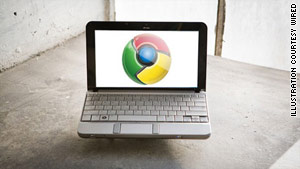
Computers that run on Google OS may boot up in only 7 seconds, like a TV.
(WIRED) -- Google today unveiled more details of Chrome OS, a lightweight, browser-based operating system for netbooks.
With a strong focus on speed, the Chrome OS promises nearly instant boot times of about 7 seconds for users to login to theirs.
"We want Google Chrome OS to be blazingly fast ... to boot up like a TV," said Sundar Pichai, vice president of product management for Google.
The first Chrome OS netbooks will be available in late 2010, Pichai said. It will not be available as a download to run and install. Instead, Chrome OS is only shipping on specific hardware from manufacturers Google has partnered with. That means if you want Chrome OS, you'll have to purchase a Chrome OS device.
Google is currently working with unnamed manufacturers to define specifications for these s, which Pichai said will include larger netbook-style s with full-size keyboards, large trackpads and large displays.
Chrome OS netbooks will not have traditional hard disk drives -- they will rely on non-volatile flash memory and Internet-based storage for saving all of your data.
All the applications will be web-based, meaning users won't have to install apps, manage updates or even backup their data. All data will be stored in the cloud, and users won't even have to bother with anti-virus software: Google claims it will monitor code to prevent malicious activity in Chrome OS web apps.
"Chrome OS is a totally rethought that will let you focus on the Internet, so you can stop worrying about your ," according to a Google promotional video shown at the event, held at the Google campus in Mountain View, California.
As part of its announcement today, Pichai said that Google would be releasing all of the operating system's code and design documents to the public.
Introduced in July, Chrome OS is a Linux-based, open-source operating system centered on Google's Chrome browser. Applications will run exclusively inside the browser, Google said Thursday.
"As of today, the code will be fully open, which means Google developers will be working on the same tree as open developers," said Pichai.
The OS's focus on design is consistent with the company's stance that the future is in the web. In July, Vic Gundotra, Google's engineering vice president and developer evangelist, spoke on a panel about app stores, in which he said native apps (such as those available for the iPhone) would be obsolete in the future, and that the Web will "become the platform that matters."
"Every capability you want today, in the future it will be written as a web application," Pichai said Thursday.
Netbooks -- lightweight, low-powered sub-notebooks -- were the surprise hit of 2008 and 2009. However, with the growth of netbook sales slowing -- and the prices of some full-powered notebooks dropping below $400 -- the continued viability of the netbook sector is an open question.
Though netbook shipments are falling below manufacturers' expectations, the inexpensive, low-powered devices appear to still be selling well. Pichai cited research figures from ABI research indicating that 35 million netbooks shipped in 2009, more than twice the number sold in 2008.
Manufacturers have yet to announce pricing on netbooks shipping with Chrome OS, but Google expects the cost to be about the same as current netbooks. On average, netbooks cost between $300 and $500.
Videos demonstrating Chrome OS's user interface, security, fast boot and other features are below the jump
الترجمة الحوت 1
جوجل نظام التشغيل : نهاية القرص الصلب؟
من ديلانF. Tweney
November 20, 2009 8:23 a.m. EST
أجهزة الكمبيوتر التي تعمل على نظام التشغيل جوجل قد يصل الحذاء في 7 ثوان فقط ، مثل جهاز تلفزيون.
أجهزة الكمبيوتر التي تعمل على نظام التشغيل جوجل قد يصل الحذاء في 7 ثوان فقط ، مثل جهاز تلفزيون.
(وايرد) -- مجموعات اليوم النقاب عن المزيد من التفاصيل عن نظام التشغيل كروم ، وهي خفيفة الوزن ، ومبنية على المتصفح ونظام التشغيل لنتبووكس.
مع تركيز قوي على السرعة ، ونظام التشغيل كروم الوعود مرات التمهيد لحظة تقريبا من حوالي 7 ثوان للمستخدمين الدخول إلى أجهزة الكمبيوتر الخاصة بهم.
واضاف "نريد جوجل كروم نظام التشغيل ليكون بتوهج بسرعة... ليصل الحذاء مثل جهاز تلفزيون" ، وقال ساندر Pichai ، نائب الرئيس لإدارة المنتجات في مجموعات.
أول نظام تشغيل نتبووكس كروم ستكون متاحة في أواخر عام 2010 ، قال Pichai. انها لن تكون كتحميل لتشغيل وتركيب. بدلا من ذلك ، والكروم هو نظام التشغيل الوحيد الشحن على جهاز معين من الشركات المصنعة في شراكة مع مجموعات. وهذا يعني إذا كنت تريد كروم نظام التشغيل ، وسيكون لديك لشراء نظام التشغيل كروم الجهاز.
غوغل تعمل حاليا مع الشركات المصنعة للكمبيوتر لم يكشف عن اسمه لتحديد مواصفات لهذه الحواسيب ، والتي سوف تشمل Pichai قال أكبر نتبووك أجهزة الكمبيوتر الاسلوب مع لوحة مفاتيح كاملة الحجم ، وtrackpads كبيرة ويعرض كبيرة.
الكروم نظام التشغيل نتبووكس لن يكون التقليدية الأقراص الصلبة -- أنها سوف تعتمد على المنظمات غير متقلبة ذاكرة فلاش والتي تستند إلى الإنترنت لإنقاذ تخزين جميع البيانات الخاصة بك.
جميع الطلبات التي ستكون على شبكة الإنترنت ، وهذا يعني المستخدمين لن يكون لتثبيت تطبيقات وإدارة التحديثات أو حتى احتياطية من البيانات. جميع البيانات التي سيتم تخزينها في سحابة ، والمستخدمين لن يكون حتى لعناء مع البرمجيات المضادة للفيروسات : مجموعات تدعي انها ستراقب رمز لمنع النشاطات غير الشرعية في كروم تطبيقات نظام التشغيل على شبكة الإنترنت.
"كروم نظام التشغيل هو جهاز كمبيوتر تماما إعادة النظر سيتيح لك ان تركز على الانترنت ، بحيث يمكنك التوقف عن القلق حول جهاز الكمبيوتر الخاص بك" ، وفقا لشريط فيديو يظهر مجموعات الترويجية في هذا الحدث ، الذي عقد في حرم غوغل في ماونتن فيو بولاية كاليفورنيا.
كجزء من اعلانها اليوم ، Pichai قال ان مجموعات من شأنه أن يكون الإفراج عن كل من نظام التشغيل ورمز وثائق التصميم للجمهور.
قدم في تموز / يوليو ، والكروم هو نظام التشغيل لينكس ومقرها ، المصدر المفتوح نظام التشغيل تركزت على جوجل كروم المتصفح. سيتم تشغيل التطبيقات على وجه الحصر داخل المستعرض ، وجوجل اليوم الخميس.
"اعتبارا من اليوم ، سوف رمز تكون مفتوحة بالكامل ، الأمر الذي يعني مطوري مجموعات سوف تعمل على الشجرة نفس مطوري فتح" ، قال Pichai.
نظام التشغيل والتركيز على تصميم ويتسق مع موقف الشركة أن المستقبل هو في شبكة الإنترنت. في يوليو / تموز ، تكلم فيك جندوترا ، مجموعات للهندسة نائب الرئيس والمبشر المطور ، في حلقة نقاشية حول مخازن التطبيق ، وقال فيها تطبيقات الوطنية (مثل تلك المتاحة لفون) لن يكون عفا عليها الزمن في المستقبل ، وأنه سوف ويب " أصبح منطلقا ان الامور ".
"كل القدرة تريد اليوم ، في المستقبل سيكون مكتوبة كتطبيق ويب ،" Pichai اليوم الخميس.
نتبووكس -- خفيفة الوزن ، منخفضة القوة شبه المحمولة -- كانت المفاجأة ضرب من 2008 و 2009. ومع ذلك ، مع نمو مبيعات نتبووك تباطؤ -- وأسعار بعض أجهزة الكمبيوتر المحمولة التي تعمل بالطاقة الكاملة انخفضت دون 400 دولار -- استمرار بقاء القطاع نتبووك هي مسألة مفتوحة.
على الرغم من شحنات نتبووك يقعون تحت الصانعين التوقعات ، ورخيصة ، وانخفاض استخدام الأجهزة التي تعمل فيما يبدو لا يزال يحقق مبيعات جيدة. Pichai أرقاما البحث عن أبي البحوث تشير إلى أن 35 مليون نتبووكس شحنها في عام 2009 ، أي أكثر من ضعف عدد بيعت في عام 2008.
المصنعين ولم يعلن عن التسعير نتبووكس الشحن كروم مع نظام التشغيل ، ولكن مجموعات يتوقع أن تكون التكلفة تقريبا نفس نتبووكس الحالية. في المتوسط ، نتبووكس تكلف ما بين 300 دولار و 500 دولار.
أشرطة فيديو يظهر واجهة المستخدم كروم لنظام التشغيل والأمن والتمهيد سريع وغيرها من السمات هي دون القفز
-
21-11-2009 02:48 PM #9
- تاريخ التسجيل
- Jul 2009
- المـشـــاركــات
- 2,297
- الــــدولــــــــة
- اليابان
- الــجـــــنــــــس
- ذكر
الـتـــقـــــيـيــم:
رد: حصريا على منتدىMSOMS النسخة الثانية من نشرة الاخبار التكلنولجية تم تعديل القونين
Rumor: Apple tablet delayed
Posted by Philip Elmer-DeWitt
November 19, 2009 6:18 AM
Steve Jobs' next big thing is being retooled, Asian supply-chain sources report
 Artist's rendition. Image: Silicon Alley Insider.
Live by the rumor, die by the rumor. Or at least go on life support.
The Apple (AAPL) tablet that all Silicon Valley has taken as a given — but no one outside of Cupertino seems to have seen — won't be arriving early next year, as widely rumored, and may not appear until the second half of 2010.
This according to a report Thursday in DigiTimes, a Taipei-based daily newspaper that covers — with uneven results — every hiccup in the Taiwanese and greater Chinese electronics industry. At one point, MacRumors, which trades in Apple gossip itself, stopped citing the paper without heavy disclaimers about its track record (see here.)
Still, the report includes pricing and component details that, if true, could cause Apple's competitors to rethink their own product plans. Among other things, DigiTimes reports that Apple is gearing up to make two models, one with a 10.6 inch LCD screen, another with a far more expensive 9.7-inch organic LED (OLED) panel.
Based on the cost of components, an OLED tablet might sell for as much as $1,200-1,500, according to DigiTimes, although the price point could be reduced if subsidized by, say, AT&T (T) or Verizon (VZ). DigiTimes' sources expect the 10.6-inch model to priced in the $800-1,000 range.
You can read the full report here. Take it all with a grain of salt.
UPDATE: Piper Jaffray's Gene Munster, one of several analysts who had predicted an early 2010 launch, issued his take on the DigiTimes report in a quick note to clients Thursday morning:"Bottom line. At this point we cannot confirm or deny the validity
of this report, but believe the exact timing is irrelevant given
Street models do not currently reflect the tablet, expectations
for actual units in 2010 are low, and investors focus is more on
whether the tablet is real and less on timing.
"For purposes of sensitivity, assuming the tablet comes out on
September 1, we believe Apple would sell around 650,000 units at a
$600 ASP in CY10 and would equate to an increase of about 1% to
revenue."
الترجمة الحوت1
نشر من قبل فيليب إلمر - ديويت
19 نوفمبر 2009 6:18
ستيف جوبز 'الشيء الكبير المقبل ويجري إعادة تجهيزها ، والإمداد الآسيوية سلسلة مصادر التقرير
الفنان التسليم. الصورة : سيليكون ألي إنسايدر.
نعيش على هذه الشائعة ، ويموت من الشائعات. أو على الأقل الاستمرار في دعم الحياة.
أبل (AAPL) قرص كمبيوتر جميع ادي السيليكون كما اتخذت معين -- ولكن لا أحد خارج من آبل ويبدو أن ينظر -- لن يكون وصوله في وقت مبكر من العام المقبل ، كما يشاع على نطاق واسع ، وربما لا تظهر إلا في النصف الثاني من 2010.
هذا وفقا لتقرير نشرته اليوم الخميس في DigiTimes ، وتايبيه ومقرها صحيفة يومية أن يغطي -- مع نتائج متفاوتة -- في كل زوبعة في التايوانية والصينية أكبر صناعة الالكترونيات. عند نقطة واحدة ، MacRumors ، والتي تتاجر في القيل والقال وأبل نفسها ، وتوقفت الصحيفة نقلا عن التنازلات دون الثقيلة حول سجلها (انظر هنا).
لا يزال ، ويتضمن التقرير تفاصيل التسعير والمكون الذي ، إذا كان هذا صحيحا ، يمكن أن يسبب آبل المنافسين إلى إعادة التفكير في خطط المنتجات الخاصة بها. من بين أمور أخرى ، DigiTimes التقارير التي تفيد بأن شركة آبل تستعد لتقديم اثنين من نماذج ، واحدة مع 10.6 بوصة الشاشة الكريستالية ، وآخر مع أكثر تكلفة بكثير 9.7 بوصة الصمام العضوي وليد) لوحة.
على أساس تكلفة المكونات ، ولقد اخترت قرص قد تبيع ما يصل الى $ 1،200-1،500 ، وفقا لDigiTimes ، على الرغم من أن سعر النقطة يمكن أن تتقلص إذا المدعومة من قبل ، ويقول ، ايه تي اند تي (تي) أو فيريزون (فز). DigiTimes 'وتوقعت مصادر في نموذج 10.6 بوصة لسعرها في حدود $ 800-1،000.
يمكنك قراءة التقرير الكامل هنا. أعتبر جميع مع حبة الملح.
استكمال : بايبر جافري لجين مونستر ، واحدة من العديد من المحللين الذين تكهنوا في مطلع عام 2010 إطلاق ، صدر له تأخذ على التقرير DigiTimes في ملاحظة سريعة للعملاء من صباح اليوم الخميس :
"بيت القصيد. وفي هذه المرحلة لا يمكننا تأكيد أو نفي صحة
من هذا التقرير ، ولكن نعتقد أن التوقيت الدقيق غير ذي صلة معين
الشارع النماذج لا تعكس في الوقت الراهن للقرص ، والتوقعات
بالنسبة للوحدات الفعلية في عام 2010 منخفضة ، والمستثمرين التركيز أكثر على
إذا كانت اللوحة هو حقيقي وبدرجة أقل على التوقيت.
"لأغراض الحساسية ، وعلى افتراض أن يخرج على قرص
1 سبتمبر ، نعتقد آبل ستبيع حوالي 650،000 وحدة في
600 دولار في آسيا والمحيط الهادئ وCY10 ما يعادل زيادة قدرها حوالي 1 ٪ الى
العائدات ".
-
21-11-2009 03:29 PM #10
- تاريخ التسجيل
- Jul 2009
- المـشـــاركــات
- 2,297
- الــــدولــــــــة
- اليابان
- الــجـــــنــــــس
- ذكر
الـتـــقـــــيـيــم:
رد: حصريا على منتدىMSOMS النسخة الثانية من نشرة الاخبار التكلنولجية تم تعديل القونين
شباب وين الردود قدرو التعب
-
21-11-2009 07:24 PM #11

- تاريخ التسجيل
- Jan 2008
- المـشـــاركــات
- 2,354
- الــــدولــــــــة
- مصر
- الــجـــــنــــــس
- ذكر
الـتـــقـــــيـيــم:

 رد: حصريا على منتدىMSOMS النسخة الثانية من نشرة الاخبار التكلنولجية تم تعديل القونين
العجيب انك اضفت في الكلمات المفتاحيه .. اسم فريق MSOMS IT Team
رد: حصريا على منتدىMSOMS النسخة الثانية من نشرة الاخبار التكلنولجية تم تعديل القونين
العجيب انك اضفت في الكلمات المفتاحيه .. اسم فريق MSOMS IT Team
في الحقيقه هذه النتائج تظهر في جوجل .. ما ادري ماذا اقول .. المعذره في اللفظ هذه تعتبر اسائه للفريق .. لانه ماكان ليخرج الموضوع بهذه الطريقه .. لذا انا هنا لابرأ ذمه الفريق من هذا الموضوع
ــــــــــــــــــــ
المعذره .. علي العموم شكرا علي الموضوع
^ ـــ ^
-
21-11-2009 08:11 PM #12
- تاريخ التسجيل
- Jul 2009
- المـشـــاركــات
- 2,297
- الــــدولــــــــة
- اليابان
- الــجـــــنــــــس
- ذكر
الـتـــقـــــيـيــم:
رد: حصريا على منتدىMSOMS النسخة الثانية من نشرة الاخبار التكلنولجية تم تعديل القونين
شكرا اخي على صراحتك
-
21-11-2009 08:42 PM #13
- تاريخ التسجيل
- Jul 2009
- المـشـــاركــات
- 2,297
- الــــدولــــــــة
- اليابان
- الــجـــــنــــــس
- ذكر
الـتـــقـــــيـيــم:
رد: حصريا على منتدىMSOMS النسخة الثانية من نشرة الاخبار التكلنولجية تم تعديل القونين
Rumors of a Gphone refuse to die
Is Google really thinking about making a substantial change to its business model by releasing the fabled Gphone?
 Would Google really consider derailing Droid momentum with its own phone?
(Credit: Josh Miller/CNET)
TechCrunch sparked the latest round of Gphone rumors Wednesday, reporting that its sources indicate Google is working on releasing a Google-branded Android phone sometime in early 2010 that will be sold directly to consumers at retail, presumably bypassing wireless carriers. Such a phone is supposedly being built by a manufacturing partner with the intent that Google's brand will dominate the phone; TechCrunch compares the strategy to what Microsoft did with Toshiba and the Zune music player.
Well before Google unveiled its Android mobile operating system project two years ago, and almost ever since, persistent rumors have circulated that Google's mobile phone ambitions go beyond software development. Just as consistently, Google executives have downplayed such rumors with statements that the company is most interested in seeding Android far and wide across multiple carriers and hardware manufacturers, rather than following Apple's strategy of designing and building the entire product itself.
Just a few weeks ago, Google's Andy Rubin, vice president of engineering for Android and the head of the project, told CNET that Google had no interest in "competing with its customers" by releasing a Google-developed phone, echoing comments he made earlier in the year that "I'd much rather be the guy that does a platform that's capable of running on multiple companies' phones than just focusing on a single product."
Now, there was some wiggle room in Rubin's statements. Most smartphone hardware brands--even Apple--don't actually build their own phones, they contract with companies in China or Taiwan that assemble the parts. Therefore, Google's statement that "we're not making hardware" doesn't preclude the company from designing hardware.
On Wednesday, Google refused to comment on what it termed "market rumor or speculation." But why would Google build its own phone? What would it have to gain to offset what it could potentially lose?
Google just signed a multiyear collaboration deal with Verizon Wireless, pledging to help develop a family of Android-based products running on Verizon's network. Any attempt on Google's part to bypass Verizon and sell its own branded handset would likely raise a few eyebrows in New Jersey, no matter how close of friends Google CEO Eric Schmidt and Verizon Wireless CEO Lowell McAdam have supposedly become.
So maybe Google wants to completely bypass carrier networks and release the ultimate IP phone, with Google Voice and the technologies it just acquired from Gizmo5. Such a phone would be free of the two-year contracts imposed by the wireless industry, but would it really be compelling without some kind of wide-area networking technology?
 Google's Andy Rubin, head of Android development
(Credit: Google)
In the same conversation in which he denied Google was working on its own hardware, Rubin implied that Google doesn't think there's much of a future for WiMax, which Intel and others have long billed as a way around the wireless carriers. The company sat out a recent funding round for WiMax start-up Clearwire after investing around $500 million in the company in 2008, and Rubin said it was planning future Android development around the LTE standard, which is the path that AT&T, T-Mobile, and Verizon plan to take to 4G networks. LTE carriers will likely insist on the now-familiar two-year contract to offset the costs of building out that network, unless federal regulators tell them they can't.
But assuming Google really is planning on releasing a completely Google-branded phone at retail, such a plan could derail the momentum enjoyed by Google and its Android partners this year.
The Microsoft/Zune strategy alluded to by TechCrunch was a disaster for Microsoft's PlaysForSure hardware partners, who had been working with the company on MP3 players that hooked into Microsoft's media software. It effectively cut them out of that market, and almost certainly created distrust and outright resentment that could come back to hurt Microsoft one day.
Any Google-branded phone would immediately compete with phones that Google partners like Verizon and Motorola are placing huge bets around, namely the Droid. What incentive would those companies have to work with Google in the future should it throw a huge wrench into their product development strategy?
And even putting all that aside, smartphones in the U.S. are only attractive to consumers because no one actually pays what a smartphone is worth. Heavy carrier subsidies knock the price of the average smartphone from around $500 or $600 to around $200, because time and time again most people have shown that even if they will save money in the long run by avoiding a two-year contract, they get sticker shock at the sight of a $599 phone. Just ask Apple: the iPhone would not be the iPhone if it was still selling for $599.

If Google were to release its own phone at retail, would it have to subsidize it itself to get the price down to about $200? Would the federal government look favorably on such a plan, knowing that virtually no other company could afford to sell such a smartphone at a loss?
TechCrunch later reported that Google could be working on a "data-only" device that would ostensibly use AT&T's network for data services, with calls being placed using VoIP technology. That's a bit puzzling as well, since that would allow Google to annoy new best friend Verizon and AT&T to annoy longtime steady Apple, so at this point, it's hard to know exactly what's going on here.
Few businesspeople directly answer questions about major strategy shifts they might be planning, for the obvious reason that surprise is a competitive advantage. But it's hard to imagine why Google would risk stunting Android momentum just as the software is rounding into the best chance for hardware manufacturers and wireless carriers to compete with Apple and AT&T.
That is, unless somebody at Google has decided that they are the ones with the best chance of competing with Apple.
ترجمة الحوت1
شائعات عن وجود Gphone يرفض أن يموت
جوجل حقا هو التفكير في إحداث تغيير جوهري لنموذج الأعمال التجارية من خلال إطلاق Gphone اسطوري؟
مجموعات من شأنه حقا أن تنظر عرقلة زخم الروبوت مع الهاتف الخاصة بها؟
(الائتمان : جوش ميلر / سي نت)
تشكرونش اثارت الجولة الاخيرة من Gphone شائعات الأربعاء ، التقارير أن المصادر تشير إلى مجموعات تعمل على الافراج عن مجموعات تحمل علامة الروبوت الهاتف في وقت ما في أوائل عام 2010 التي سيتم بيعها مباشرة إلى المستهلكين في تجارة التجزئة ، ويفترض تجاوز مشغلي الشبكات اللاسلكية. مثل هذا الهاتف هو من المفترض أن يجري بناؤها من قبل شريك التصنيع مع القصد أن جوجل العلامة التجارية وسوف تسيطر على الهاتف ؛ تشكرونش يقارن استراتيجية مايكروسوفت على ما فعلت مع توشيبا ومشغل الموسيقى زون.
قبل غوغل النقاب عن الروبوت المتحرك نظام تشغيل المشروع منذ عامين تقريبا ومنذ ذلك الحين ، والشائعات المستمرة التي وزعت مجموعات من طموحات تتجاوز الهاتف النقال وتطوير البرمجيات. مثلما دأبت غوغل التنفيذيين قد قلل من أهمية مثل هذه الشائعات مع البيانات إلى أن الشركة هي الأكثر اهتماما في بذر الروبوت الآن على نطاق واسع عبر ناقلات متعددة ومصنعي الأجهزة ، بدلا من اتباع استراتيجية أبل في تصميم وبناء المنتج نفسه بالكامل.
فقط قبل أسابيع قليلة ، قال جوجل أندي روبين ، نائب رئيس قسم الهندسة لالروبوت ومدير المشروع ، سي نت ان غوغل ليس لديها مصلحة في "تتنافس مع عملائها" من خلال إطلاق سراح مجموعات نموا الهاتف ، مرددا بذلك تصريحات ادلى بها في وقت سابق في السنة التي "يهمني كثيرا أن يكون بدلا من ذلك الشخص الذي لا منبرا هذا قادرة على ادارة الشركات متعددة' الهواتف من مجرد التركيز على منتج واحد ".
الآن ، كان هناك هامشا للمناورة في تصريحات روبين. معظم ماركات أجهزة الهاتف الذكي -- حتى أبل -- don't فعلا بناء هواتفهم الشخصية ، التي ستتعاقد مع شركات في الصين أو تايوان التي تجميع أجزاء. ولذلك ، وجوجل في بيان "اننا لا يجعل الأجهزة" لا يمنع الشركة من تصميم الأجهزة.
يوم الأربعاء ، غوغل رفضت التعليق على ما أسمته "سوق الشائعات أو التكهنات". ولكن لماذا مجموعات بناء على الهاتف الخاصة بها؟ ماذا كان يمكن أن يكون لكسب لتعويض ما يمكن أن تخسره؟
جوجل فقط وقعت على اتفاق تعاون لعدة سنوات مع فيريزون وايرلس ، وتعهد للمساعدة في تطوير عائلة من الروبوت والمنتجات القائمة على تشغيل شبكة فيريزون. على أية محاولة من جانب مجموعات لتجاوز فيريزون وبيع الهواتف الخاصة به وصفت من المرجح ان يثير الدهشة قليلة في نيو جيرسي ، ومهما كانت قريبة من الأصدقاء غوغل اريك شميت المدير التنفيذي والرئيس التنفيذي لشركة فيريزون وايرلس لويل ماك آدم كان من المفروض أن تصبح.
ولذلك ربما مجموعات تريد تماما تجاوز شبكات الناقل والافراج عن الملكية الفكرية في نهاية المطاف الهاتف ، مع مجموعات صوتية والتكنولوجيات أنها مجرد الحصول عليها من Gizmo5. مثل هذا الهاتف ستكون خالية من عقود لمدة سنتين التي يفرضها قطاع الاتصالات اللاسلكية ، ولكن هل حقا ستكون قاهرة دون نوع من التواصل على نطاق ومجال التكنولوجيا؟
جوجل آندي روبين ، مدير تطوير الروبوت
(الائتمان : جوجل)
في نفس المحادثة والتي نفى مجموعات كانت تعمل على أجهزة الحاسوب ، روبين ضمنا ان غوغل لا اعتقد ان هناك الكثير من مستقبل للواي ماكس ، والتي إنتل وغيرها منذ فترة طويلة وصفت بأنها وسيلة حول مشغلي الشبكات اللاسلكية. وجلس خارج الشركة لتمويل الجولة الأخيرة للواي ماكس البدء كليرواير بعد ان تستثمر حوالي 500 مليون دولار في الشركة في عام 2008 ، وقال روبين ان كان التخطيط للمستقبل التنمية الروبوت حول معيار التطور طويل الأمد ، وهو المسار الذي ايه تي اند تي ، تي موبايل ، وفيريزون خطة للنزول الى 4G الشبكات. التطور طويل الأمد ناقلات المحتمل أن يصر الآن على اثنين ودراية عقد مدته سنة لتغطية تكاليف البناء إلى أن الشبكة ، ما لم يكن المنظمون الفيدراليون نقول لهم انهم لا يستطيعون.
ولكن على افتراض جوجل حقا هو التخطيط على الافراج عن مجموعات تماما الهاتف وصفت في تجارة التجزئة ، مثل هذه الخطة يمكن أن تعرقل على الزخم الذي تتمتع به مجموعات وشركائها الروبوت من هذا العام.
من مايكروسوفت / المشغل استراتيجية ألمح إليه تشكرونش كانت كارثة على لشركاء مايكروسوفت الأجهزة PlaysForSure ، الذين كانوا يعملون مع الشركة على مشغلات MP3 التي مدمن مخدرات في وسائل الاعلام البرمجيات مايكروسوفت. على نحو فعال قطع منها للخروج من هذا السوق ، ويكاد يكون من المؤكد تولد عدم الثقة والاستياء الصريحة التي يمكن أن يعود ليصب مايكروسوفت يوم واحد.
أي مجموعات الهاتف على الفور وصفت الهواتف التي تتنافس مع مجموعات الشركاء مثل فيريزون وموتورولا هي تراهن ضخمة حولها ، وهي الروبوت. ماذا سيكون حافزا لهذه الشركات للعمل مع مجموعات في المستقبل ينبغي أن يلقي وجع ضخمة في صلب استراتيجية تطوير المنتج؟
وحتى نضع كل ذلك جانبا ، والهواتف الذكية في الولايات المتحدة ليست سوى جاذبية للمستهلك لأن لا أحد في الواقع يدفع ما يستحق الذكي. الإعانات الناقل الثقيلة تدق سعر الهاتف الذكي المتوسط من حوالي 500 دولار أو 600 دولار الى نحو 200 دولار ، لمرة ومرة أخرى أن معظم الناس قد أظهرت أن حتى لو كانوا سيوفر المال على المدى الطويل من خلال تجنب واثنين من العقد سنة ، فهم يحصلون على الملصق الصدمة على مرأى من الهاتف 599 دولار. فقط أسأل أبل : اي فون لن يكون اي فون إذا كانت لا تزال لبيع 599 دولار.
إذا كانت مجموعات الإفراج عن الهاتف الخاصة في المفرق ، فإنه سيتعين عليها أن تدعم هي نفسها للحصول على تخفيض السعر الى حوالي 200 دولار؟ سيكون للحكومة الاتحادية ننظر بشكل ايجابي على خطة من هذا القبيل ، علما بأن يكاد لا توجد شركة أخرى يمكن أن تحمل لبيع مثل هذا الهاتف الذكي في خسارة؟
تشكرونش في وقت لاحق ذكرت ان غوغل يمكن أن تعمل على وضع البيانات "فقط" من شأنه أن الجهاز ظاهريا استخدام تي آند تي في شبكة لخدمات البيانات ، مع الدعوات التي يجري وضعها باستخدام تكنولوجيا الاتصالات عبر بروتوكول الإنترنت. إن قليلا محيرة أيضا ، لأن ذلك من شأنه أن يسمح لمجموعات جديدة مزعجة أفضل صديق فيريزون وايه تي اند تي لاغضاب أبل مطردا منذ فترة طويلة ، حتى في هذه المرحلة ، فإنه من الصعب أن تعرف بالضبط ما الذي يحدث هنا.
عدد قليل من رجال الاعمال مباشرة الإجابة على أسئلة حول التحولات الاستراتيجية الكبرى التي قد يكون من تخطيط ، لسبب واضح أن المفاجأة هي ميزة تنافسية. ولكن من الصعب أن نتخيل ماذا سيكون خطر مجموعات التقزم الزخم الروبوت مثلما البرنامج هو التقريب إلى أفضل فرصة لمصنعي الأجهزة ومشغلي الشبكات اللاسلكية للتنافس مع شركة آبل وايه تى اند تى
وهذا هو ، ما لم يكن شخص ما في غوغل قد قررت ان انهم هم مع أفضل فرصة للتنافس مع شركة أبل.
-
21-11-2009 09:00 PM #14

- تاريخ التسجيل
- Oct 2006
- المـشـــاركــات
- 1,052
- الــــدولــــــــة
- السعودية
- الــجـــــنــــــس
- ذكر
الـتـــقـــــيـيــم:
رد: حصريا على منتدىMSOMS النسخة الثانية من نشرة الاخبار التكلنولجية تم تعديل القونين
بتطرح اخبار انجليزية .. ترجمها واعد صياغتها مرة ثانية بلغة مفهومة ..
مدري كيف تثبت الموضوع ههه
-
21-11-2009 09:01 PM #15
- تاريخ التسجيل
- Jul 2009
- المـشـــاركــات
- 2,297
- الــــدولــــــــة
- اليابان
- الــجـــــنــــــس
- ذكر
الـتـــقـــــيـيــم:
رد: حصريا على منتدىMSOMS النسخة الثانية من نشرة الاخبار التكلنولجية تم تعديل القونين
ساوفيكم بقيت الاخبار وشكراالتعديل الأخير تم بواسطة الحوت1 ; 22-11-2009 الساعة 05:09 PM
-
21-11-2009 10:24 PM #16

- تاريخ التسجيل
- Dec 2006
- المـشـــاركــات
- 906
- الــــدولــــــــة
- مصر
- الــجـــــنــــــس
- ذكر
الـتـــقـــــيـيــم:
رد: حصريا على منتدىMSOMS النسخة الثانية من نشرة الاخبار التكلنولجية تم تعديل القونين

هناك خطأ املائي
انها قوانين وليس قونين
والفواصل كبيرة جدا
الفكرة حلوة ولكن بنقصها التنظيم
والترجمة الحرفية غير مجدية بالمرة
بارك الله فيك
دمت بود
-
22-11-2009 05:12 PM #17
- تاريخ التسجيل
- Jul 2009
- المـشـــاركــات
- 2,297
- الــــدولــــــــة
- اليابان
- الــجـــــنــــــس
- ذكر
الـتـــقـــــيـيــم:
رد: حصريا على منتدىMSOMS النسخة الثانية من نشرة الاخبار التكلنولجية تم تعديل القونين
Al Gore: Our next power grid will be like the Net
 Former U.S. Vice President Al Gore discusses his hopes and fears for the future of the smart grid.
(Credit: Josh Lowensohn/CNET)
SAN MATEO, Calif.--Former U.S. Vice President Al Gore hopes that America's next-generation power grid will be a lot like the Internet. Or at least that's the plan.
How close we get to that goal depends on what happens in the next five years, Gore said in a speech here on Thursday evening at blog VentureBeat's GreenBeat conference, where he outlined many of the challenges the United States faces in upgrading its power grid. Along the way, he made comparisons to how the advent of the so-called smart grid will enable the kind of solutions and business innovation that the Internet brought during the 1990s.
"The analogy to the Internet is quite an exact one. Not completely exact, but it's very relevant for lots of reasons. We are moving inexorably toward a widely distributed energy generation and storage model. We are still locked into the old centralized energy generation model," Gore said. "The rapid development of new generations of new smart storage systems are going to make a tremendous difference in connection with the smart grids." Those systems are designed to enable easier storage of unused electricity for peak times, when supplying it to large groups of customers can be difficult and more expensive.
Gore also foresees an entirely new set of devices and instruments to help utilities and consumers control and monitor usage--technology and business models that may not yet have been imagined. "(It's) much the same way the Internet made it possible to see this generation of Internet-ready devices that did not even exist before the Internet began to build out," Gore said.
There are a few obstacles on the way there, though, the main one being a mix of outdated legislation and hardware that makes up America's current electricity grid. For example, the average estimated age of transformers currently in use 42 years, longer than their projected run of service. Updating or replacing them with something that will work with the smart grid requires money, along with a plan to back it up.
But Gore says such a plan is not so simple. "In many states...regulators and legislators still have these antiquated laws and regulations," Gore said. "We're still locked in a way of thinking about the grid that is based on the assumptions that these large coal fire-generating plants and other centralized generating plants [are] connected, always and in real time, to consumers, and the world is passing that model by."
 Al Gore thinks the smart grid will usher in the same kind of business innovation the Internet brought.
(Credit: Josh Lowensohn/CNET)
Gore highlighted the relative comfort of the energy industry, noting that energy accounted for roughly 16 percent to 17 percent of the U.S. economy, and that attempting to convince those in charge to invest in the smart grid is an uphill battle. "The good news is that it's split somewhat," Gore said. "There are many business leaders in that sector, and I want to compliment some of those electric utilities, some of them here, who have become a part of the movement for change."
One of those is Pacific Gas and Electric (PG&E), which recently began rolling out smart digital electricity meters of its own. However, that move has already been put into question by customers whose bills have skyrocketed since the changeover. Some of those in Bakersfield, Calif., where PG&E began its pilot deployment, have filed a class action lawsuit against the utility.
But Gore pointed out that no transition would be easy. "There's an old African proverb that some of you have heard: 'If you want to go quickly, go alone. If you want to go far, go together,'" Gore said. "The truth is, we have to go far quickly, which means we've got to get our act together quickly."
الترجمة الحوت1
آل غور : إن شبكة الكهرباء القادم سوف يكون مثل صافي
نائب الرئيس الأميركي السابق آل غور يتحدث عن الآمال والمخاوف على مستقبل الشبكة الذكية.
(الائتمان : جوش Lowensohn / سي نت)
سان ماتيو ، كاليفورنيا -- نائب الرئيس الامريكى السابق آل غور يأمل في أن أميركا الجيل المقبل من شبكة الكهرباء وسوف يكون هناك الكثير مثل الانترنت. أو على الأقل هذا الخطة.
كيف نحصل على وثيقة لتحقيق هذا الهدف يتوقف على ما سيحدث في السنوات الخمس المقبلة ، وقال غور في كلمة القاها هنا مساء يوم الخميس في مؤتمر بلوق GreenBeat VentureBeat ل، حيث لخص العديد من التحديات التي تواجهها الولايات المتحدة في تطوير شبكة الكهرباء الخاصة بها. على طول الطريق ، وإجراء مقارنات لكيفية ظهور ما يسمى الشبكة الذكية وسيمكن هذا النوع من الحلول ، والابتكار في مجال الأعمال التي جلبت الإنترنت خلال 1990s.
"وقياسا على الإنترنت هو تماما واحد بالضبط ، وليس تماما بالضبط ، ولكنها مهمة جدا بالنسبة لكثير من الأسباب. ونحن نتحرك في اتجاه لا رجعة فيه على نطاق واسع لتوليد الطاقة ، ونموذج للتخزين ، ونحن زال حبيس المركزية القديمة في توليد الطاقة نموذج "وقال غور. "إن التطور السريع للأجيال جديدة من أنظمة التخزين الجديدة الذكية التي سوف تحدث فرقا هائلا في اتصال مع شبكات ذكية". تلك النظم مصممة لتمكين سهولة تخزين الطاقة الكهربائية غير المستخدمة لأوقات الذروة ، عندما مدها لمجموعات كبيرة من الزبائن يمكن أن يكون صعبا وأكثر تكلفة.
جور كما تنص على مجموعة جديدة تماما من الأجهزة والأدوات للمساعدة في مراقبة المرافق والمستهلكين ، ورصد الاستخدام -- التكنولوجيا ونماذج الأعمال التجارية التي قد لا تكون قد يتصور. "(انها) بنفس الطريقة الإنترنت جعلت من الممكن أن نرى هذا الجيل من الإنترنت استعداد الأجهزة التي لم تكن حتى موجودة قبل الإنترنت بدأ في بناء عليها" ، وقال غور.
هناك بضع عقبات في الطريق إلى هناك ، على الرغم من أهمها مزيج من التشريعات القديمة والأجهزة التي تشكل أميركا الشبكة الحالية من الكهرباء. على سبيل المثال ، كان متوسط العمر المقدر من المحولات المستخدمة حاليا 42 عاما ، أطول من المتوقع تشغيل الخدمة. تحديث أو الاستعاضة عنها بشيء من شأنها أن تعمل مع الشبكة الذكية يتطلب المال ، جنبا إلى جنب مع خطة عمل نسخة احتياطية منه.
لكن آل غور وتقول هذه الخطة ليست بهذه البساطة. "وفي كثير من الدول... المنظمين والمشرعين لا تزال لديها هذه القوانين والأنظمة العتيقة" ، وقال غور. وقال "نحن لا تزال تعاني من وسيلة للتفكير في الشبكة التي يتم استنادا إلى الافتراضات بأن هذه النار كبيرة من الفحم لتوليد الطاقة وغيرها من محطات توليد مركزية [هم] متصلا ، ودائما في الوقت الحقيقي ، للمستهلكين ، والعالم يتم تمرير هذا النموذج من قبل. "
آل غور يفكر الشبكة الذكية سوف تستهل في نفس النوع من الابتكار في مجال الأعمال على الانترنت جلبت.
(الائتمان : جوش Lowensohn / سي نت)
غور أبرز الراحة النسبية لصناعة الطاقة ، مشيرا إلى أن الطاقة تمثل نحو 16 في المئة الى 17 في المئة من اقتصاد الولايات المتحدة ، والتي تحاول إقناع القائمين على الاستثمار في الشبكة الذكية هي معركة شاقة. "والخبر السار هو أنه انقسم الى حد ما" ، وقال غور. وقال "هناك العديد من كبار رجال الأعمال في هذا القطاع ، وأريد أن يكمل بعض هذه المرافق الكهربائية ، وبعضهم هنا ، الذين أصبحوا جزءا من الحركة من أجل التغيير".
تلك هي واحدة من المحيط الهادئ للغاز والكهرباء (جي اند اي)) ، والتي بدأت في الآونة الأخيرة المتداول خارج الذكية عدادات الكهرباء الرقمية الخاصة بها. بيد أن هذه الخطوة قد وضعت بالفعل موضع السؤال من قبل الزبائن الذين فواتير ارتفعت منذ التحول. بعض هؤلاء في بيكرسفيلد بولاية كاليفورنيا ، حيث التعبئة والتقييم بدأت قائدها نشر ، يكون قد قدم دعوى جماعية ضد الأداة.
لكن آل غور أشار إلى أن أي الانتقال سيكون سهلا. وقال "هناك مثل قديم الأفريقية أن بعض سمعتم :' إذا كنت تريد أن تذهب بسرعة ، ويذهب وحده. إذا كنت تريد أن تذهب بعيدا ، يسيران معا ، "وقال غور. "والحقيقة ، علينا أن نذهب بعيدا بسرعة ، مما يعني ان علينا ان نحصل على التحرك معا وبسرعة."
-
22-11-2009 08:53 PM #18
- تاريخ التسجيل
- Dec 2006
- المـشـــاركــات
- 1,873
- الــــدولــــــــة
- اليمن
- الــجـــــنــــــس
- ذكر
الـتـــقـــــيـيــم:
رد: حصريا على منتدىMSOMS النسخة الثانية من نشرة الاخبار التكلنولجية تم تعديل القونين
شكرا أخي الحوت على مجهوداتك
يفضل بعد إذنك ان تغير الخط الذي تكتب به لإنه مزعج قليلا ^^"
هناك خطوط مناسبة للقراءة مثل
tahoma
arial
times new roman
-
22-11-2009 09:05 PM #19
- تاريخ التسجيل
- Jul 2009
- المـشـــاركــات
- 2,297
- الــــدولــــــــة
- اليابان
- الــجـــــنــــــس
- ذكر
الـتـــقـــــيـيــم:
رد: حصريا على منتدىMSOMS النسخة الثانية من نشرة الاخبار التكلنولجية تم تعديل القونين
ابشر ساأغيره حالن
-
23-11-2009 02:01 PM #20
- تاريخ التسجيل
- Dec 2007
- المـشـــاركــات
- 108
- الــــدولــــــــة
- السعودية
- الــجـــــنــــــس
- أنثى
الـتـــقـــــيـيــم:
رد: حصريا على منتدىMSOMS النسخة الثانية من نشرة الاخبار التكلنولجية تم تعديل القونين
مافهمت ولا شي.gif " border="0" alt="" title="ض1 " class="inlineimg" />
الترجمه العربيه سيئه
بس مشكور ع جهودك


 رد مع اقتباس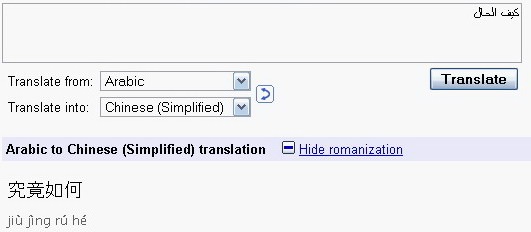







الكلمات الدلالية لهذا الموضوع

 ضوابط المشاركة
- لا تستطيع إضافة مواضيع جديدة
- لا تستطيع الرد على المواضيع
- لا تستطيع إرفاق ملفات
- لا تستطيع تعديل مشاركاتك
- أكواد المنتدى متاحة
- الابتسامات متاحة
- كود [IMG]متاحة
- [VIDEO] الكود هو متاحة
- كود HTML معطلة
Loading...


//DMCA logo

المفضلات